Category Archives: Sports

New GM, Same Old Song And Dance

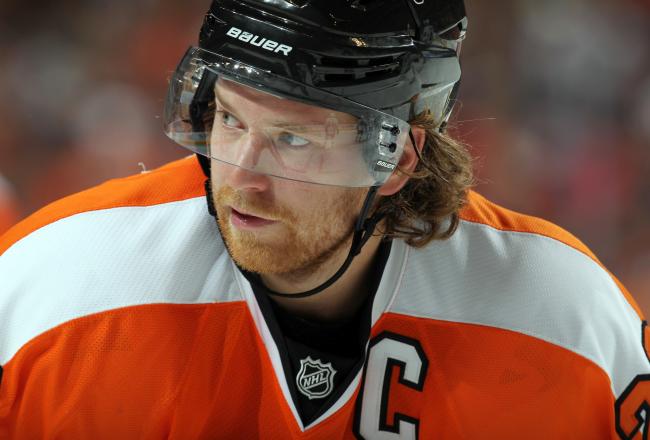
Claude-Giroux

By GORDON GLANTZ

Gordonglantz50@gmail.com

@Managing2Edit

GORDONVILLE – It should have been the best of times for the Philadelphia Flyers – at least as far as offseasons go. They had a new general manager, albeit with old ties to the team, espousing a new and refreshing approach to building a legitimate Stanley Cup contender that was potentially going to be buoyed by the NHL entry draft being in town June 27-28.

Instead, with an “eh” draft followed by underwhelming signings at the start of free agency on July 1, it has been just a shade too boring to be the worst of times.

Case in point: The biggest story coming out of Flyerville was that Claude Giroux, the team captain, raised some maturity red flags while celebrating Canada Day (re: excuse to drink Moosehead and sing Rush songs) by “repeatedly grabbing the buttocks” of a male police officer.

Not exactly a blockbuster trade or free-agent signing of someone who can actually skate and chew gum at the same time. But deeper issues bubbled to the surface.

Last offseason, Giroux suffered a serious hand injury – one that clearly hampered his effectiveness well into the season – while golfing with teammate Jason Akeson. The incident was spun that Akeson’s heroic actions may have saved Giroux’s hand, but one wonders if it was the byproduct of more immaturity enhanced by the Moose being on the loose.

It is all supposition, and perhaps unfair to let imaginations run wild, but Giroux opened himself up to the gauntlet of perceived scenarios with his “ill-advised attempt at humor” that will now make him the “butt” of jokes in enemy rinks.

And the saddest part of the whole ordeal is that this story, which may or may not become a post-script to another season that puts him in the conversation for the Hart Trophy (MVP), is the only one that has any discussion-worthy legs from the draft until the present.

To be fair, GM Ron Hextall did reportedly go hard after the No. 1 overall pick in attempt to make a hometown splash, but one wonders if this was the case of the fat kid attempting a belly-flop in the baby pool before being flagged by the lifeguard.

Why not move up from No. 17 to somewhere in the Top 10, not No. 1, and not give up as much?

All – or nothing at all – seemed a little shortsighted in a draft that lacked the depth of last year, or next.

It still seemed like the Flyers would get a hometown bounce with the likes of Kasperi Kapanen, Alex Tuch and a pair of Russian-born snipers – Nikita Scherbak and Nikolai Goldobin – still on the board when their turn came.

Instead, in a move that has Flyer DNA all over it, they selected a tall Canadian-born defenseman – Travis Sanheim – higher than he was slotted in most scouting reports.

If they had tunnel-visioned themselves just to Sanheim, who just so happens to be distantly related to Hextall, why not trade back a few picks and pick up the fourth-rounder they didn’t have?

The tone was set for yet another draft class with more questions than a presidential press conference.

The second round pick, winger Nicholas Aube-Kubel, is saddled with a boom-or-bust tag by scouts – although the Flyers did take him about where he was rated, which is somewhat refreshing.

For the second straight year, they made up for not having a fourth-round pick by reaching in the third for defenseman Mark Friedman, who is still an upgrade over goon-in-waiting Tyrell Goulbourne (taken while Danish scoring machine Oliver Bjorkstrand, who had 50 goals and 109 points in juniors last season, was still on the board in the third round a year back).

After the vacated fourth, they finally went more international with their best value pick, Swedish winger Oskar Lindbloom, in the fifth round. They added a Russian-born center playing junior hockey on the same team as Sanheim, Radel Fazleev, in the sixth round. They then went very un-Flyeresque and an added an undersized (5-8) Swedish defenseman, Jesper Petersson, in the seventh.

The only explanation was that no one was related to someone in the front office (Nick Luuko, the son of former executive, Peter Luuko, was tabbed in the sixth round a few years ago and remains more suspect than prospect).

Who knew, at the time, that the final three picks of the draft – along with extending the contract of Brayden Schenn – would highlight an offseason lowlighted by Giroux’s Canada Day folly?

On July 1, the Flyers brought back Ray Emery to back up Steve Mason in net.

Then came July 2, which was the most active day for Hextall.  Akeson, seemingly the Darren Ruf of the organization, was signed to a two-way deal, pretty much sealing his fate as the big fish in the small Lehigh Valley pond when the AHL Phantoms skate closer to home.

Tye McGinn, who should have earned a fair shot at a roster spot on a scoring line after Scott Hartnell was swapped for checking winger R.J. Umberger, was instead shipped to San Jose for the third-round pick. Journeyman defenseman Nick Schultz was brought in as the seventh defenseman to replace last year’s Ruf Award winner, Erik Gustafsson.

Before the watched-paint could dry any more, NHL/AHL bubble players Andrew Gordon and Zack Stortini were added, the latter being a notorious minor-league goon.

Somebody stop this broken record.

The following day – as Hextall continued his daily exercise of to trying to give away Vincent Lecavalier for nothing  while the eating the crow known as a big portion of his onerous contract – Giroux issued his act of contrition, complete with babble about respect for police officers.

Considering that Giroux is cast in a leadership role as team captain, perhaps they would be better off keeping Lecavalier (and one has to question the wisdom of bringing back Kimmo Timonen, who should have been named captain when Giroux was, for another season at a nice price).

That was followed by news almost as exciting as adding Blair Jones and Rob Zepp (don’t bother remembering the names, unless you are planning on going to a lot of Phantoms’ games)  on the first day of free agency, as the Flyers brought back Chris VandeVelde on a two-way contract.

Yes, the same guy who skated in 18 games with the Flyers last year and managed one whole assist – while getting about a half-dozen feature articles written about him because of his loose connection to Hextall.

Sounds familiar, huh?

Same old song.

When it has no beat, and you can’t dance to it, you have to call it for what it is.

The worst of times.

The column originally appeared at http://www.phillyphanatics.com.
In Hinkie We Trust

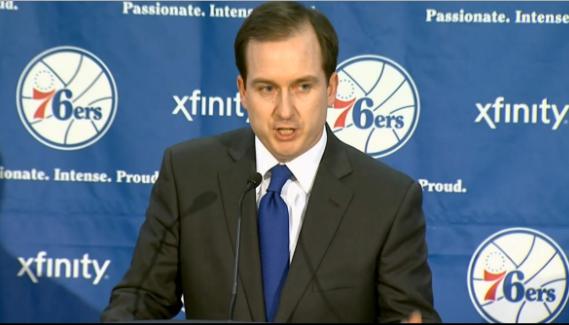
Sam_Hinkie-051413-sixers

By GORDON GLANTZ

Gordonglantz50@gmail.com

@Managing2Edit

GORDONVILLE — When it comes to our general managers’ credibility, the Philadelphia fan base sets its bar in curious places.

The Flyers’ Ron Hextall? Jury is out, but it is legitimate to be concerned that he’ll follow the same old approach of drafting 7-foot-6, 300 pound defensemen from Saskatoon instead of a skilled skater from Stockholm.

The Eagles’ Howie Roseman? Although his track record seems pretty sound, most of the Iggles’ faithful can’t get past the fact that he looks like he should be doing your taxes and not building your football team. A little unfair, perhaps, but that will be the reality until there is the long-awaited parade down Broad Street.

The Phillies’ Ruben Amaro? Hah!

He graciously accepts interview requests, but the more Amaro talks, the deeper the hole gets. At this lowest of low points, both in his tenure and in current franchise history, he is to the local sports community what Barack Obama is to the Tea Party.

And then we have the curious case of Sam Hinkie.

Unlike Amaro, constantly jabbering about the sorry state of the Phillies, the 76ers GM says very little. And when he does open up, we don’t understand what the heck he is talking about anyway.

His track record? At face value, pretty lame. He traded away an all-star in Jrue Holiday for the draft rights to a guy, Nerlens Noel, who played as many minutes last season as Andrew Bynum did the year before.  The team was so bad that it sparked arguments as to whether the 2013-14 Sixers were going to be worse than the ignominious1972-73 version that managed a grand total of nine wins.

And yet, Hinkie gets a pass.

And rightfully so.

The NBA is a dysfunctional league, and he is in the midst of beating it at its own game. The only way to make the journey to the top-heavy circuit is to tear the team completely apart, get lottery picks and create cap space.

Presuming Noel comes back next season – and we all know he could have played a little this year, but the risk-reward factor was clear on Hinkie’s AC (analytics calculator) – he will join forces with rookie of the year Michael Carter -Williams to form a formidable nucleus.

The impending 2014 draft (june 26), which is touted as a once-in-a-decade collection of talent, will ultimately define where this team goes.

The Sixers finished with the second-worst record, and got the third pick. The Holiday deal netted them the No. 10 pick from New Orleans. Wheeling and dealing has also left the Sixers with a grand total of five second-round picks.

The intrigue grows daily. The speculation du jour is that the Sixers are so enamored with Andrew Wiggins, who could conceivably fall to them at No. 3, that they would consider moving up to No. 1 to get him from Cleveland.

The cost? It would have to add up to a plus on Hinkie’s AC.

Because he has the Sixers so far under the salary cap that they are flirting with being at the mandated minimum, Hinkie can afford to take on a “bad” contract to consummate a deal. That is crucial in the NBA, and he knows it, having played the rest of the league like a fiddle.

It is conceivable then that the Sixers could put together a package of the No. 3 pick, solid forward Thaddeus Young and something else (one of their seconds, the rights to Iranian forward Arsalan Kazemi, etc.) and send it to Cleveland for the top pick and a player the Cavaliers want to unload (Jarrett Jack, or last-year’s No. 1 overall bust-in-the-making Earl Bennett).

If it were a different GM, one that has left us rightfully gun-shy, we wouldn’t trust such a move.

But not with Uncle Sam.

In Hinkie we trust.

As we should.

For now.

The purported infatuation with Wiggins, which could be more smoke than fire, is logically more from the head coach, Brett Brown, than Hinkie.

Again, for whatever reason, Brown inspires enough confidence that we believe he foresees Wiggins as the best fit – short- and long-term – while some might see him as of equal value to one of the others considered in the top three of the class (center Joel Embiid or swing forward Jabari Parker) and not worth the cost of trading up.

No matter which of those three the Sixers eventually come away with, this draft may ultimately be defined by who they pick – or pass on – at the No. 10 spot.

And no one says they have to stay at that spot, either, where they could land a much-needed sharp-shooter (Nic Stauskas, Doug McDermott, Rodney Hood). Can they trade up a few slots – maybe high enough to get power forward Julius Randle, a human double-double who would instantly put an end to the opposition feasting on second-, third- and 18th-chance buckets?

Can they target a player that they like, but believe will be there in the middle of the first round, and trade back?

Do they take a page from the book of the San Antonio Spurs, the team where Brown honed his craft as an assistant, and select a European, like forward Dario Saric, and not even pressure him to come over this year?

Keep in mind, there is still no major incentive to make the playoffs in 2014-15. (If the Sixers do sneak in, they would owe their first round pick to Miami for the underachieving albatross Arnett Moultrie.) Considering another abysmal season doesn’t help morale or inspire confidence of an eventually bright future, just being more competitive on a nightly basis and winning in the range of 30 games would be a ray of necessary sunshine while keeping a first-round pick for 2015 in the arsenal.

And then there is the question of what to do with the plethora of second-round picks, and don’t necessarily expect Hinkie to follow conventional wisdom that he is going to be careless with them.

In most years, second-round picks are treated almost like gnats to swat away at a July 4th picnic.

This year, though, with the first round being so deep, players that would normally be drafted between 20 and 30 are those still in play between 30 and 40. The Sixers, in addition to the third and 10th picks, have picks at 32 and 39 overall. The others are at 47, 52 and 54.

New York Knicks president Phil Jackson, in stupefying arrogance, wants to “buy” his way into the draft and hopes the Sixers – among others with several picks – are selling.

“We have a limited amount of funds that we can use,” Jackson told New York reporters early this month. “It’s been prorated now to every team. You know, teams do sell draft picks.

“We are going to approach teams and ask them if they’re willing to allow us to buy a draft pick if we feel like there’s a player we want to have at a position that comes up.”

There were no reports if Jackson, who has admitted to using LSD in the past and is an advocate of legalizing marijuana, was in an altered state at the time.

His rationale, other than that the world revolves around him and his objective of getting into a loaded draft where the Knicks have no picks, is that the Sixers can’t fit seven new players – the two firsts and five seconds – onto a roster that can max out at 15.

Actually, Mr. Zen, your math is wrong.

Noel, Carter-Williams,Young, Tony Wroten, and Moultrie are the only Sixers signed to guaranteed contracts next season.

That’s five (actually 4½, if counting Moultrie, but five against the roster and salary cap).

Two others – has-been Jason Richardson and never-was, Byron Mullens –  have until the end of the month to decide on staying, which would only be logical if they find no other place to go. The Sixers have the same deadline to pick up team options for next season on Elliot Williams and James Anderson, two players whose talent is about the level of any second-rounder in this year’s pool.

If all options are accepted – which is not likely, especially if Hinkie plays the under-the-cap card and takes on a “bad/expiring” contract or two to consummate a deal – that puts the roster at nine.

Seven picks equals 16, one over the limit.

So, in reality, the Sixers could – and probably should – retain all their second-round picks. Two, if not three, can be spent on foreign players whose rights can be carried over without counting against this year’s roster.

That would allow for retaining a player or two of minor consequence – the list includes Henry Sims, Hollis Thompson, Jarvis Vernado, etc. – who finished out the season here on non-guaranteed deals.

In other words, Phil, make an offer. How about an ascending player for two seconds? How about a “protected” first rounder (either a pick not in the top five, or in the lottery), to be used in the next several years, for the same price?

The Sixers aren’t selling picks for cash, like beggars on the street.

And, if they are, we are trusting in Hinkie more than we should.

This is what we have all been waiting for, after a laughable season of “tanking.”

It’s an exciting draft, one that will define where this once-proud franchise goes more than last year, so let’s place our faith in the hands of the one GM who seems to register the highest on the credibility meter right now.

The column initially appeared at http://www.phillyphanatics.com

Adjusting On The Fly

Image

By GORDON GLANTZ

Gordonglantz50@gmail.com

@Managing2Edit

GORDONVILLE — The scene was the NFL Draft, 2014.

The Eagles sat at No. 22, the result of their mercurial rise from the outhouse to within one level of the penthouse.

Just as with property taxes, the change in address comes with a price.

The Eagles were just good enough to be picking post-20, but not good enough to mortgage the future to make a definitive move.

In a way, with more needs than the average 10-6 division winner, they were living in the slums of Beverly Hills.

All they could do was sit and waiting and listen to Dusty Springfield’s “Wishin’ and Hopin’” on repeat play as others in front of them mulled their choices.

And their hopes and wishes and prayers could not help them, as the script could not have gone any more awry.

The only player they probably would have traded up for, UCLA outside linebacker Anthony Barr, went at No. 9 to the Vikings. If he had drifted into the middle of the round, they could have made a move. To get into the top 10, it would have cost this year’s and next year’s first-round picks.

No can do.

As Eagles’ coach Chip Kelly admitted, the six players they targeted at No. 22 were all good when their turn in the chow line came around.

When the same New Orleans Saints team that eliminated them from the playoffs last year moved to No. 20 and snatched Oregon State receiver Brandin Cooks, the Eagles knew they gambled and lost.

Six minus six equals zero.

To their credit, they made a decisive move to Plan B.

While the television talking heads babbled about them drafting Johnny Manziel, the obvious move was to hold the pick hostage for a team that truly hungered for Johnny Football. They found a willing dance partner in the Cleveland Browns, moving back to No. 26 and picking up a third-round pick while they danced in the streets of Cleveland.

When their new turn rolled around, the possibilities seemed endless. There were still receivers, corners, defensive linemen and safeties available. They could even move back a few more slots, or into the early second round, for more picks.

And then Roger Goodell  took to the podium.

“With 26th pick in the 2014 NFL Draft, the Philadelphia select “Mar …,” he said.

Thoughts immediately went through the permutations for the even the most casual observer. They were taking Marqise Lee, the USC wideout two years removed from finishing fourth in the Heisman balloting, and would come back in the second round – maybe packing one of their thirds with a second – for the coveted pass-rushing 3-4 outside linebacker.

And then Goodell continued.

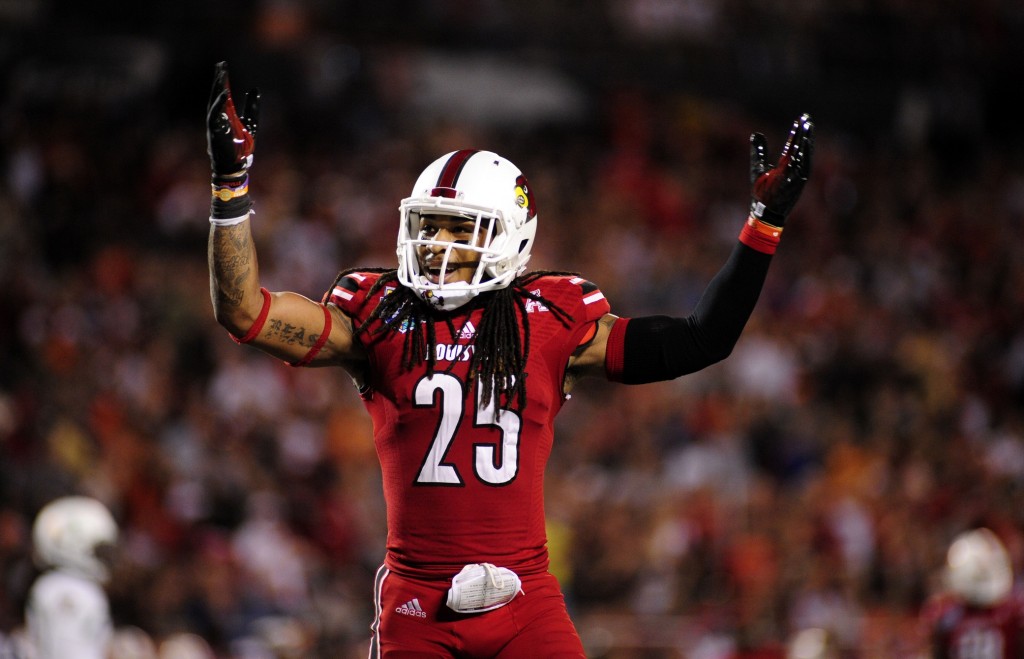
“(Mar)cus Smith, linebacker, Louisville,” he said.

Who?

Eagles’ devotees who waited months for this moment probably grabbed their remote controls and wondered what happened, kind of like that final scene of the final episode of “The Sopranos.”

Not a bad player, all things considered, but it seemed like the panic button had been pushed. It seemed like a poorly played hand.

It seemed like if the word “reach” were four letters, it would fit.

But it is what it is.

In the interim, between picks 22 and 26, Auburn’s edge rusher, Dee Ford, went to Kansas City. There were rumors that the Super Bowl champion Seattle Seahawks were clamoring for Smith, albeit as a project.

For the Eagles, trading back too much further would leave them without him in midnight green.

While it takes a good three years to evaluate drafts, the early grade sits at a B-minus because the value chart shows they used a first-round pick on a guy rated as a late-second/early-third.

Some deft moves by GM Howie Roseman, like trading a third to Houston for fourth- (first pick of Day 3) and fifth-round picks, allowed them to add quality and avoid detention.

Aside from Smith, they did grab three other players – Vanderbilt receiver Jordan Matthews (second round), Florida defensive back Jaylin Watkins (fourth round) and Stanford free safety Ed Reynolds (fifth) –  the consensus has as solid second-day picks.

That certainly helps the GPA, but not enough for the honor roll.

The Eagles, all told, seemed to have an uneven draft. The best-player-available format has seemingly morphed into the-best-player-available-for-our-scheme approach, which seems to be a trend around the league.

With the one third-round pick they kept, they made a slight reach for Oregon slot receiver Josh Huff, but you can almost issue a pass on it because he is a scheme fit, having played in Kelly’s offense in college.

That same could be said for fifth-rounder Taylor Hart, who will be reunited with defensive line coach Jerry Azzinaro. Hart, though, was rated as a seventh-rounder and could have likely been had there. Had they Eagles grabbed someone like Tennessee nose tackle Daniel McCullers in the fifth round and come back with Hart in the seventh, they would have gotten better value than Hart in the fifth and seventh-round nose guard Beau Allen of Wisconsin (moving up 13 slots after dealing running back Bryce Brown to Buffalo and getting back a mid-round pick either next year or in 2016).

There are no sure-fire immediate starters in this group, but we are talking about a 10-6 team that Kelly and Roseman are trying to build for the long haul.

The receivers – Matthews and Huff – are likely to make the most impact, but don’t discount the defensive backs, Watkins and Reynolds.

The reality is that NFL teams who miss on their first-round pick and nail all the rest do just fine, but we are talking about a fan base still haunted by the ghosts of Mike Mamula and Jon Harris.

Marcus Smith, for better or worse, has already been lumped into with Jerome McDougles and Danny Watkins.

He deserves more of a fair shake, because he is starting with an intense glare of naysayers on him. If you have any empathy in your football-lovin’ heart, you have to feel for Smith right now.

As the dust settles and the dawn rises on the aftermath of the 2014 NFL Draft, it will all be about him.

Free Birds

In the social media era, where undrafted players announce where they sign before teams can issue statements, the Eagles had no choice but to put out an official list of 15 undrafted players.

Perhaps because of the depth of the draft, or because of the scheme-fit trend around the league, the collection of players left undrafted was shocking.

Even more shocking was that the Eagles, usually one of the best at aggressively pursuing undrafted players, really didn’t rock the world here.

For example, Kelly singled out inside linebacker depth as a need. They didn’t draft one, but some big names – Stanford’s Shayne Skov, Florida State’s Christian Jones, Michigan State’s Matt Bullough, Penn State’s Glenn Carson, etc.  – were out there to be had.

None came here.

With Brown gone, the Eagles did snare two running backs – Missouri’s Henry Josey and Toledo’s David Fluellen – that were generally graded as mid-round picks.

Daytawion Lowe, a hard-hitting safety from Oklahoma State who runs a 4.45 40, was also considered a late-rounder and is in the Bird house.

A kicker – Vanderbilt’s Casey Spear – was signed, but it seems they are trying to give Alex Henery token competition to placate a restless fan base.

The Eagles also brought in two tackles, USC’s Kevin Graf and Texas’ Donald Hawkins,  with starting experience at big schools to compete for backup jobs.

Florida’s Trey Burton, despite being 6-2 and 225, will get a look at tight end after playing multiple positions for the Gators.

The column originally appeared at http://www.phillyphanatics.com

Catching On

Image

4/22/14

By GORDON GLANTZ

Gordonglantz50@gmail.com

@Managing2Edit

GORDONVILLE – It is better to give than it is to receive.

Yeah, well, maybe on the path to spiritual redemption, but not in the NFL.

There, in a modern-day survival-of-the-fittest model: the team that receives more than it gives away comes out on top.

By jettisoning pro bowl receiver DeSean Jackson, who promptly enlisted with the division-rival Washington Redskins, the Eagles left themselves an obvious hole in a receiving corps that seemed set.

Some felt they gave Jackson away, but that can’t be completely accessed until we know what they receive – by way of receivers – in the pending draft (May 8-10).

When Riley Cooper (17.8 yard average on 47 catches, including 8 touchdowns) was re-signed, as was Jeremy Maclin, it seemed the Eagles had the perfect pieces in place around Jackson. Veteran Jason Avant was even released, seemingly because his salary exceeded fourth-receiver money.

Then, after the Jackson bombshell, the whole picture changed.

At present, a once-clear picture suddenly looks a little murky.

Maclin has been a good, but not great player, but he missed all of last season with a torn knee ligament (the second since his college days). Cooper, it could be argued, had his career year because of space created by Jackson’s presence.

The holdovers on the roster – players like Damaris Johnson, Jeff Maehl, B.J. Cunningham, etc.  – are either the best-kept secrets in the league or merely placeholders.

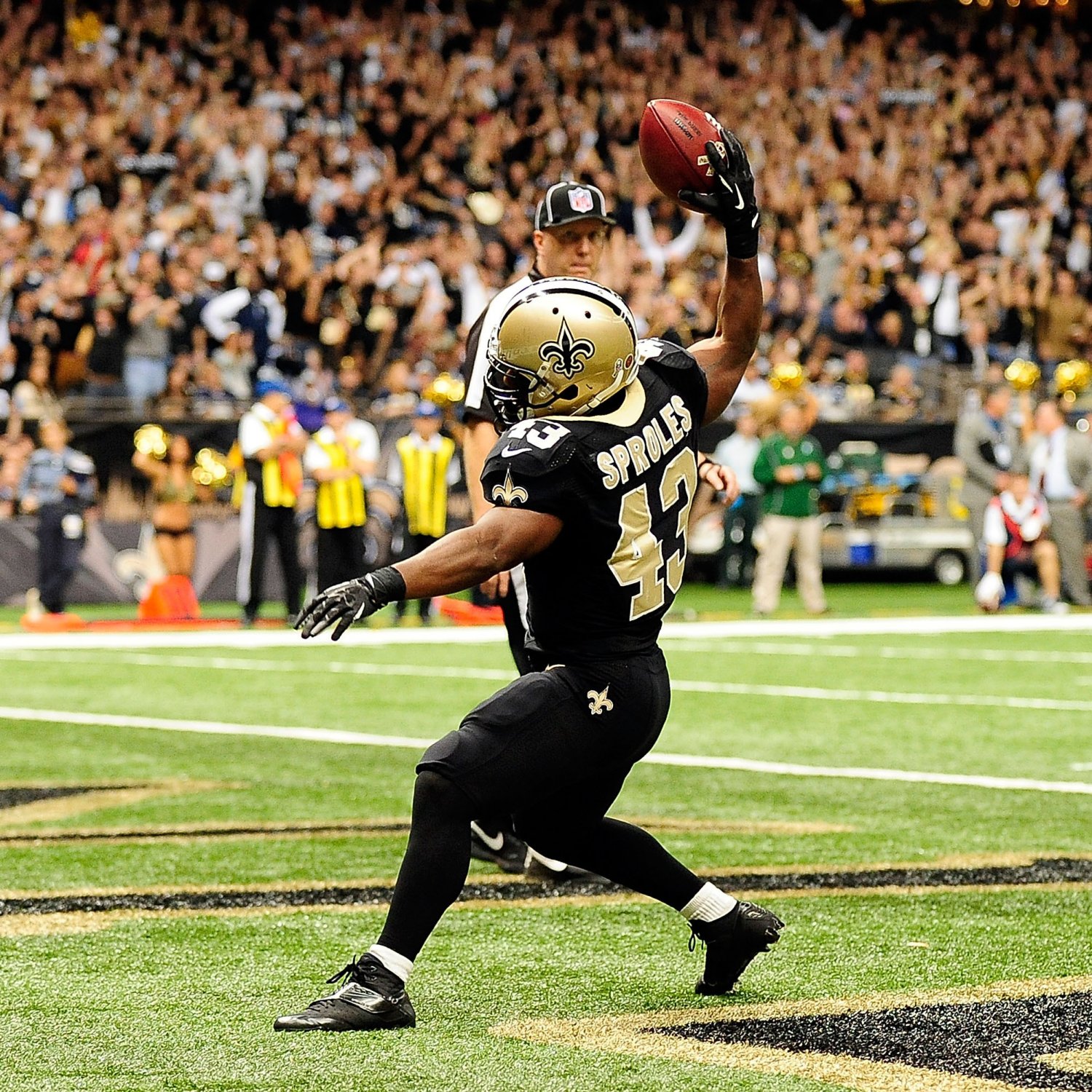
The team added the quintessential utility back in Darren Sproles, but is unclear if Kelly plans to use him as a slot receiver or as a much-needed option out of the backfield for less-than-mobile quarterback Nick Foles on obvious passing downs.

No matter what the role is for Sproles, who boasts such a full bag of tricks – including return skills – it is not likely Kelly will limit him to just being a slot receiver.

Top of the list

The general feeling, with what it is purported to be a draft class of incoming receivers that will make history, is that Eagles will retool with at least one – but maybe as many as three – at various points in the draft.

They can do so with a clear conscience, as the draft is so deep at receiver that one could theoretically be grabbed with each and every pick under their patented best-player-available explanation.

That won’t happen – too many glaring needs remain, particularly on the defensive side of the ball – but it is likely they will draft some receivers that fans can immediately dial up on You Tube and get excited about while watching clips that are more intriguing than pancake blocks.

Before we start naming names, a word of caution for rookie receivers is in order. No matter how talented – how freakish their size-speed ratio and vertical leaps – there is an adjustment to the NFL and the nuances of more complicated passing games. The defensive backs are equally athletic and more physical than in college, and the ball is coming out faster – and often with more velocity – from the quarterback.

In this sense, the Eagles are taking a gamble that they will get DeSean Jackson production, even if they spend their first-round pick (No. 22 overall) on the best stud wide receiver on the board.

The jewel of the class, Sammy Watkins of Clemson, is pegged to go in the top 5-10 picks. Most credible mock drafts slot him at No. 5, to the Oakland Raiders.

Next?

There are loud whispers that the Eagles are enamored with Texas A&M’s Mike Evans, who provided a big target (6-5, 225 pounds) for Johnny Manziel and knows how to use his size. However, following some strong personal workouts, Evans has moved from being projected in the middle part of the first round to the back end of the top 10. He could wind up going as high as No. 7, to Tampa Bay, where he can be teamed up with the receiver he’s most often compared to, Vincent Jackson.

That would remove two players from the Elite Eight, leaving six receivers that are all likely to be gone by the middle of the second round. Assuming the Eagles stand pat, a third could be off the board before their turn in the chow line.

Who will remain is uncertain.

Of the six remaining A-list receivers, three – USC’s Marqise Lee, LSU’s Odell Beckham and Oregon State’s Brandin Cooks – are created in the game-breaker image of DeSean Jackson.

Lee (6-0, 195), a 2012 Heisman Trophy finalist (he had 118 catches from Eagles’ backup Matt Barkley), is coming off a down year where he was battling injuries and was not in synch with  Barkley’s replacement. Nonetheless, he is a top-end talent, with return skills, that Kelly knows well from coaching against him in the PAC-12.

The same could be said of Cooks, who switched places with Lee as the PAC-12’s premier receiver. The smallish (5-10, 186) speedster (4.49) led the BCS with, 1,670 receiving yards and claimed the Biletnikoff Award as the top receiver in college football last fall.

Beckham, like Cooks, is smaller (5-11, 193) and also runs a 4.49. He could project as a dangerous slot receiver with an array of decisive open-field moves. He also has extensive return game experience, having taken two punts to the house last season.

The other three top receivers who will likely be available – Florida State’s Kelvin Benjamin, Penn State’s Allen Robinson and Vanderbilt’s Jordan Matthews – are all at least 6-3. As such, they are considered in the mold of the big receivers – Antonio Bryant, Anquan Boldin, etc. – that teams covet. Another taller wideout, teamed with the nearly 6-4 Cooper and the 6-5 Ertz, could make the Eagles hard to defend in the red zone, with the 6-6 Foles looking over the defense and lofting the passes.

Best of the rest

If the Eagles elect to go defense in the first round, which is a distinct possibility, they would be doubling down on their roll of the dice of letting Jackson walk away for nothing but cap space, as it would be a big break if one of the top eight receivers would be on the board in the late second round.

The most likely to last would likely be Vanderbilt’s Matthews, who comes with some intriguing credentials. He is a cousin of Jerry Rice and, while they barely know one another, he reportedly has the same work ethic. He caught over 100 passes last season. His long-term ceiling might be the lowest, which is why he could last longer in the draft. However, his more developed route tree could see him as the most productive rookie, even more so than Watkins or Evans, out of the gate.

That group would include LSU’s Jarvis Landry, who is considered the best blocking receiver in the draft, which surely won’t be lost on Kelly, who puts a premium on that skill. Another is Mississippi’s Donte Moncrief. At 6-2 and 226 pounds, with jets timed at 4.49, he is considered to be a first-round talent who has yet to put it all together. And given Kelly’s penchant for Oregon players, Duck alum Josh Huff – another solid blocker who not only built like a running back (5-11, 211), but also runs like one after the catch – is a name to watch.

Draft wild cards are Wyoming’s Robert Herron, who is among the fastest (4.3 range) but among the smallest (5-9, 193), and South Carolina’s Bruce Ellington, an outstanding all-around athlete who played point guard for the Gamecocks during basketball season and could help immediately as a returner while learning the be a full-time receiver. Ellington, though, is also 5-9.

Names to Remember

The draft also includes the traditional boom-or-bust types, like Davante Adams, who is 6-2 and around 215 pounds and caught 233 passes from touted prospect Derek Carr for a Fresno State team that feasted on some inferior competition. Another is Colorado’s Paul Richardson, who is 6-3 but only 180 pounds and seems automatically pegged for a West Coast offense (Kansas City, Green Bay). Clemson’s Martavis Bryant is 6-4 and 200 pounds and runs a sub-4.4 40, but only started one year.

Conversely, guys were highly productive but don’t seem quite big or explosive enough to be starters. This list would include Mike Davis of Texas, Ryan Grant of Tulane, T.J. Jones of Notre Dame, Devin Street of Pitt, Cody Latimer of Indiana and Kevin Norwood of Alabama.

There are the smurf types that will get looks because of the success of Chief-turned-Titan Dexter McCluster as a slot receiver/returner. Kent State’s Dri Archer (5-7, 175) runs a 4.37 in the 40), Oklahoma’s Jalen Sanders (5-9, 164), Michigan’s Jeremy Gallon (5-8, 183) plays hard enough to earn a roster spot while Baylor’s Tevin Reese (5-10, 170) had 25 career touchdown passes, 22 of which were from more than 40 yards out.

There are also the crafty possession-type receivers that will have teams in search of the next Wes Welker. This list includes Jared Abbredris of Wisconsin, Michael Campanaro of Wake Forest and Alex Neutz of North Dakota.

Northwestern’s Kain Colter, the college quarterback who made news for organizing a push for college athletes to unionize, is just under 6-0 and 200 and hoping to “catch on” as a receiver (i.e. New England’s Julian Edelman, who played quarterback in college). Norman Rae’s attempts were somewhat derailed because an injury kept him from the combine and offseason workouts.

Late round steals could include Costal Carolina’s Matt Hazel and BYU’s Cody Hoffman, who had a 100-catch season as a junior but struggled as a senior (57 catches). Still, at 6-4 and 218 pounds – and with big hands and highlight-reel catches on his resume – he reminds scouts of Cooper.

Beyond Hazel, the small-school list includes Jeff Janis (6-2, 212) of Saginaw Valley State and Ryan Culbreath of Furman.

Because of the draft’s depth, the guys who never quite put it all together will get pushed down — or out — of the mix altogether, while probably being late-round picks in other years. That would include UCLA’s Shaquelle Evans, Brandon Coleman of Rutgers and L’Damian Washington of Missouri.

This analysis originally appeared at phillyphanatics.com


DeSean-Gate: Risky Business

Image

By GORDON GLANTZ

Gordonglantz50@gmail.com

@Managing2Edit

GORDONVILLE — It’s business, not personal.

In the curious case of the release of Pro Bowl receiver DeSean Jackson, the Philadelphia Eagles – the team in town that lays claim to business acumen but has gone the longest, 54 years, without a championship – are trying to run this one up the flag pole.

I’m not saluting.

And neither should you.

With the Eagles winning a Super Bowl , at least while I still have my own teeth, forever resting atop of my SBL (Sports Bucket List) – above such lofty events as Temple beating Penn State in football or reaching the Final Four in hoops – I can’t help but feel a step further away, not closer, with Jackson gone.

It doesn’t matter to me that Jackson was a “me-first” diva whose primary concern was making plays, often for his own highlight reel. Unless his showboating proved costly, like when he spiked the ball before crossing the goal line in Dallas as a rookie, I didn’t care what he did to celebrate.

And neither should you.

He was a big play waiting to happen, a weapon opponents had to game plan around. And that’s not easily replaced.

Sometimes it takes a football lifetime to replace a key player. Consider Brian Dawkins and what has happened at safety since the Eagles let him go.

Thinking you can just plug in Damaris Johnson or B.J. Cunningham and get the same results is nothing shy of sheer top-down arrogance after but one season of surprising success in which the Eagles were really an 8-8 team dressed for the playoffs in a 10-6 disguise.

They are not in a position, not yet, to jettison talent from its nucleus.

Everything being funneled to the masses through the gullible media as rationale is a carefully crafted façade designed to keep Eagles Nation distracted from the bottom line that they screwed up.

Royally.

Unless someone can prove a misdemeanor, let alone a felony, I really only have limited interest in Jackson’s personal life.

If you left the NFL with just boy scouts and choir boys, it would be more of a No Fun League than it is already.

That Jackson lived paycheck to paycheck, despite making millions, is on him.

He is not the first athlete to do so, and he won’t be the last.

He preferred gangsta rapping to sitting around team campfires, joining hands with Jeff Maehl and Roc Carmichael and singing “Kumbaya” while drinking a Chip Kelly smoothie during a team-bonding drill?

I should care?

You should care?

Maybe, in the abstract, but I don’t.

And neither should you.

We have been sticking by this team through owners, coaches and players. They come and go, sit in the back room and count out the millions while we suffer.

Maybe they don’t owe us an explanation, and maybe they can’t legally give us one anyway. But they owe us better than what they gave us in a scenario that is sure to come back and haunt us in our nightmares.

The reality is that the Eagles, in trying to take the high road, have made it way more personal.

And it’s going to hurt business.

Jackson missed team charity events? Blew off his mandatory exit interview after the season-ending loss to New Orleans in which he was a spark in a comeback bid? Didn’t return phone calls from his coach?

Not good. The team, no team, can have separate sets of rules for players.

But they could have handled it differently.

If they believed he was a detriment, then try the trade route. At least you can control where he goes and get something, even if it’s not equal value, in return.

Because the NFL is dysfunctional in this regard, making trades hard to swing without being creative, they were left with one choice.

Make it work.

Call him in the first day the team reconvenes and lay down the law. Tell him this season is his last chance to stay an Eagle, which would mean his last chance to play for big bucks.

Tell him he is going to run laps, instead of plays, for missing the exit interview.

And then he begins with the third string.

Think he is embarrassing you with his antics? Embarrass him back.

It would blow over soon enough.

It’s better than letting him walk for nothing and facing him twice a year for the next three seasons while he has a chip on his shoulder.

The system is great, but talented players kind of make that engine go.

And they gave one away. Gift-wrapped.

I don’t care if they take one of the many stud receivers available in May’s draft at No. 22 and then hedge their bet with one of two more from the bumper crop.

Heck, I don’t care if they trade up and pluck the gem of the class, Sammy Watkins of Clemson.

Rookie receivers, no matter how much freakish talent they may possess, usually need refinement in the nuances of the pro game – nurturing lasting into their second or third seasons – before being able to reach their full potential.

The Eagles had a sure thing at the receiver position. They re-signed both Riley Cooper, who thrived against single coverage for a career year while Jackson attracted attention, and a medical question mark in Jeremy Maclin. Then, they cut good guy Jason Avant – the purported babysitter for Jackson – to keep from having too much money dumped in the wide receiver stable.

It was believed that Jackson, with Cooper and Maclin, was going to make for a trio that would be impossible to defend – particularly with tight end Zach Ertz primed for a breakout sophomore season and veteran all-purpose back Darren Sproles added to the mix.

With opponents gasping for air while the Eagles run plays every 15 seconds, it would have been open season for quarterback Nick Foles and running back LeSean McCoy to take advantage of the litany of mismatches.

Pull Jackson from the mix?

Well, the picture is a bit different, isn’t it?

On top of that, adding insult to injury, the Eagles stumbled on the run here. They were clumsy in their long-shot trade attempts and were forced to release him after a report from NJ.com – one that would have gotten a D-minus from any mail-order journalism class – that merely reiterated a bunch of guilt-by-association babble about the three-time Pro Bowler coming off his best statistical season.

Realizing they couldn’t trade him at that point, and not being men enough to give it another shot, he was released.

Jackson was signed by a division rival, the Washington Redskins, at a pay rate that maybe could have been renegotiated – albeit with some guaranteed money to continue living in the moment – to stay here and make it work.

All in all, I would say it was a poorly played hand.

If the decision was that the NovaCare Castle wasn’t big enough to hold both the egos of Kelly and Jackson, there were still better options.

Why not release him before free agency and have more money freed up to sign a better safety – i.e. Jairus Byrd, T.J. Ward, Donte Whitner – than using spin control to make Malcom Jenkins sound like the second coming of Ronnie Lott and bringing back the soft-hitting Nate Allen on the premise that he was “better” than awful last season?

Instead of career special teamers, like Chris Maragos and Bryan Braman, maybe they could have made a play for pass-rusher DeMarcus Ware when he was released by the Cowboys.

Instead, the dire need for an edge pass rusher remains unaddressed.

There are players who do that type of thing in the draft, but now the Eagles are boxed into a corner and have to load up on receivers because they couldn’t find a way to make it work with Jackson.

This, my fellow sufferers, is bad business.

Make that 55 years without a championship.

Tough to swallow when you weren’t even alive in 1960 and have since invested so much time, emotion and energy in this team.

So, yeah, I’m taking it personally.

And so should you.

This column first appeared at http://www.phillyphanatics.com


Memo to NFL: Keep The Change

Image

By GORDON GLANTZ

Gordonglantz50@gmail.com

@Managing2Edit

GORDONVILLE – Is one’s gut instinct always the best?

Let’s put it to the test.

When my Internet trolling led me to the headline that that NFL was about to convene to consider more rules changes, my gut screamed “nooooooo” … kind of like your pooch running into the street with a bus coming. (This actually happened the other day, but said school bus was stopping anyway and Rex did a U-turn and came back on his own, realizing that a walk was no fun without yanking my shoulder from its socket).

If there is anything the NFL doesn’t need, it is more rules about its rules – unless they are passing a rule banning future rule changes (except one to address my pet peeves of players showing up officials by making official gestures for what they think should be called and announcing whole teams, instead of individual starters, at games).

But upon further review, not all proposed rule changes are created equally. With that – presuming you can put down your NCAA bracket, seeing if one school you couldn’t find on a map beat another one you never heard of before and never will again – join this mad scientist in his lab as he places the proposed changes under the microscope.

Here is the list of the 13 proposed changes:

1.  Move kickoffs to the 40-yard line, from the 35, where they are now.

Reaction: Well, this would bode well for touchback-challenged Alex Henery, the Eagles’ kicker, but it seems a bit extreme. It didn’t seem too long ago that the league moved kicks from the 40 to the 35 to avoid touchbacks (I remember lining my men up at the 40 in electric football). Hey, NFL, let’s cut to the chase. You want to take kickoffs out of the sport? Just do it then. I grow weary of your foolishness.

2. Making all personal fouls reviewable.

Reaction: About time! (Note: I don’t come by exclamation point easily, either.)

3. Eliminating overtime in preseason games.

Reaction: I shouldn’t even comment, because this is a done deal. It’s more about time and money than the risk of injury, despite how it will be spun. Honestly, since I’m certifiable, I enjoy preseason games. It’s only rookies and journeyman on the roster bubble who are playing that late in the game anyway, so why not have a chance to get a longer looksee at them? I get the final preseason game, when rosters have been trimmed, so maybe only have overtime in the first two preseason games. In the third, maybe if one or other teams have already been in one, then they can opt out of it.

4. Extending the goalposts vertically by 5 feet on each side.

Reaction: Hey, why not have them moving, too. It can like a game at Chuck E. Cheese’s.

5. Moving extra-point attempts to the 25-yard line, making it a 43-yard try. (This was proposed by the Patriots.) The competition committee separately is proposing one preseason game this season where extra-point snaps will take place from the 20.

Reaction: Proposed by the Patriots, because they are annoying like that, this is a bit extreme. I can live with the counter-proposal of the competition committee to make a preseason the guinea pig, but only from the 20. Maybe the whole idea will die a slow death from there.

6. Adding six cameras to all boundary lines on the field to supplement TV camera angles.

Reaction: The more eyes, the better.

7. Allowing any officials’ decisions to be challenged by coaches, not just specific kinds of plays.

Reaction: This goes to a deeper issue. The league needs to re-evaluate how its games are officiated. The old methods, in a changing sport, are increasingly inefficient. This would be a start. Not a destination, but the start of a journey.

8. Protecting players from getting their legs rolled up on from the side — and not just from the back — as a penalty.

Reaction: Since this happens by accident most of the time, I’m not sure how it can be regulated, but leave it to the NFL to fake concern about injuries with rules that will affect outcomes of games and not reduce injuries at the same time.

9. Allowing the referee to confer with members of the NFL officiating department in New York at the league office during replay reviews.

Reaction: Stealing from the NHL again, eh? Be careful what you wish for, as those Canucks north of the border need some fine-tuning as well (just ask the Flyers). That aside, absolutely.
10. Changing review rules on the recovery of a loose ball — aka, the “NaVorro Bowman rule” from the controversial NFC championship game non-call — in the field of play.

Reaction: Yes, yes, yes. Pet peeve of mine for years. This would necessitate an overdue reorganizing the replay section of the NFL rulebook, meaning two for the price of one.

11. Keeping the clock running on quarterback sacks at all times of the game.

Reaction: Ok … why?

12. Changing pass interference so that it can be called within a yard of the line of scrimmage.

Reaction: Something to consider, but it doesn’t seem like a pressing matter.

13. Enforcing defensive penalties behind the line of scrimmage from the previous spot, instead of from the end of the play or from the spot of the foul.

Reaction: Never quite understood why it is done how it is now in the first place, so … come on with it.

The Pesky Bylaws

The above are all on the field of play. What also intrigued me, and hit at some questions I have longed to see answered, are off-the-field issues that will be addressed this week at the NFL Annual Meeting in Orlando.

Here is a look at the few being bandied about that won’t put you to sleep:

1. Raising the number of active players on game-day roster from 46 players to 49 for non-Sunday or Monday regular-season games, excluding Week 1. The league has Thursday games throughout the season, as well as some late-season Saturday contests.

Reaction: I have a major issue with Thursday night games to begin with, and rarely – if ever – is there a well-played one (at least by both teams). And the league, claiming to have an interest in player safety, has major cojones to even have Thursday games for teams who aren’t coming off their bye weeks. The human body wasn’t meant to play football on a Sunday and again on a Thursday. So, yeah. Heck, yeah. Not the ultimate solution, but at least it is the recognition of a problem.

2. Raising the practice squad roster size from eight to 10 players.

Reaction: There are rumblings of a new spring league, the A11FL, so player development is essential. Why not? No downside.

3. Allowing teams to test and time up to 10 draft prospects at their own facilities, and allowing any rival team to come witness the testing and timing at the other team’s facilities.

Reaction: This is a snoozer, and was not going to make the final cut here, but it was proposed by your Philadelphia Eagles. Way to be on it, boys.

4. Allowing a team with a retractable roof to open or close its stadium roof at halftime, and not having to determine before the game whether it will be open or closed.

Reaction: Makes sense in theory, but it opens the door to controversy.

Welcome to the big-time.

This column originally appeared at http://www.phillyphanatics.com

Not Head Over Heels

Image

By GORDON GLANTZ

Gordonglantz50@gmail.com

@Managing2Edit

GORDONVILLE — America’s voyeuristic pop culture world went into shock during the final episode of “The Bachelor” Monday.

Juan Pablo, who had all the bachelorettes smitten at hello and lost them all before goodbye, spurned Clare and picked her archrival, Nikki.

But he did not propose to Nikki. He kept the ring in his pocket, even though she had already professed her love for him.

After giving her the final rose, which she accepted (probably thinking the visibility will launch her modeling career), they did an on-camera smooch.

And he said, to the groans of the live studio audience and millions watching from their sofas, “I like you … I like you a lot.”

What else would you expect from a playboy ex-jock named Juan Pablo?

Love at first sight – particularly with the willowy Nikki – would come from the likes of guys named Byron.

A day later, when NFL free agency kicked off, I was feeling a bit like Juan Pablo myself.

The Eagles were decisive, busting some moves – signing a B-list safety in Malcolm Jenkins, special teamers Chris Maragos and Bryan “Don’t Call Me Norman” Braman and cornerback Nolan Carroll.

Like Nikki, they would likely want me – as a season ticket holder and perpetual naysayer –to fall in love.

But like Juan Pablo, I can’t fully commit.

I like it, though.

I like it a lot.

The book on Jenkins, a converted corner, is that his strength is a lack of obvious weaknesses.

That is certainly an upgrade after watching safeties in the post-Brian Dawkins era whose weakness was their lack of any discernable strength.

He is not Jairus Byrd, T.J. Ward — or even Antoine Bethea or Donte Whitner – but signing Jenkins is better than sitting on their hands or worse (bringing back Nate Allen and/or Kurt Coleman, although Allen’s return is not a dead issue).

But as long as they add another safety early in the draft to compete with second-year man Earl Wolff for the role of Robin to Jenkins’ Batman, I’m good with it.

Maragos played behind one of the best safety tandems in the league in Seattle, so he might have some upside as a fourth safety (which is why bringing back Allen would be an unnecessary move). Braman adds wedge-buster size (6-foot-5, 250 pounds) and reckless abandon (the Yiddish word “mashugana” comes to mind) to the special teams, and Carroll, a physical corner with starts under his belt, could push for playing time this season and could be a starter by the following season (when cornerback Cary Williams’ contract balloons).

The Eagles also made a trade, sending a fifth-rounder to New Orleans for utility back Darren Sproles.

If you went to a factory and asked them to custom build the quintessential third-down back, the 10th-year man out of Kansas State would be it. Sproles is dangerous on draws and screens and returns both kicks and punts. In fact, his kickoff return in the playoffs last season sealed the Eagles’ fate, as it set up the game-winning field goal as time expired in a 26-24 Saints’ win.

Still, when the trade was announced, you would have thought it was Christmas in March around the Delaware Valley.

Seems like premature adulation.

Not to get all Juan Pablo on you, people, but I don’t love it.

I like it. I like it a lot.

But I’m not giving out the ring – in this case, Super Bowl rings.

Sproles, who will be 31 years old by training camp, never carried the ball more than 93 times in a season. And this coming season, 2014, will put him three beyond his peak season of 2011, when he set a benchmark for all-purpose yards with 2,696.

Despite his back-breaking return in the playoffs –more the combination of a feeble kickoff, subsequent coverage breakdown and an experienced return man taking advantage – Sproles is not as explosive in that area as he was in the past.

He has not taken a kickoff all the way to the house since 2008 or a punt since 2011. Last season, he had career lows in kick return (21.3) and punt return (6.7) average. That is almost identical to what the Eagles averaged last season – 21.4 on kick returns and 6.6 on punt returns.

And for around the same monetary investment, the Eagles could have gotten a similar player in his prime, Dexter McCluster, 25, who was the AFC’s Pro Bowl selection as a return specialist last season. The former Kansas City Chief, who was also a second-team All-Pro return man last year, signed for a fairly modest $12 million over four years. If the Eagles snapped him, it would have had the added benefit of sticking it to Reid.

Sproles comes from a good team, and good teams don’t let good players walk without good reason.

The fact that he was available should keep you from falling head over heels in love, like the Eagles brass apparently has already.

Despite throwing nickels around like manhole covers, they already gave him a two-year extension with guaranteed money.

The most troubling part of the deal is that Joe DiFannio, fueled by the irresponsible and Tweeter-happy media – from talk radio to television to print – is already concocting trades for backup running back Bryce Brown.

And this, in honor of St. Patrick’s Day, really has my Irish up.

The Eagles committed highway robbery in 2012 when they drafted Brown in the seventh round. A blue-chip high school recruit, he had only played one full year of college ball at Tennessee (463 yards, three touchdowns as a true freshman) before transferring to be with his brother, Arthur (now with the Baltimore Ravens), at Kansas State and then leaving that program.

The pick of a 220-pound back with sub-4.4 speed was a stroke of genius, and his play as a rookie was one of the few bright lights in the darkness of Andy Reid’s final year of steering the ship aground.

He fumbled a lot, though.

This past season, with Kelly deploying a new offense and blocking scheme, Brown seemed tentative running, but hit his stride as the season wore on, scoring touchdowns in the final two regular-season games (including the game-winner against Dallas to seal the NFC East).

It was widely questioned – by many of the same closet GMs trying to ship him out of town now for a bag of deflated footballs – why Kelly didn’t ride Brown’s fresh legs a bit in the aforementioned playoff loss to Sproles & Co.

The Eagles have no reason to unload Brown – or fellow promising third-year back Chris Polk, for that matter. They were empty milk containers on trash night, and both are still playing on their rookie deals at bargain salaries (Polk was an undrafted free agent).

Comparing Sproles to Brown – or Polk – is not apples to apples. They don’t really play the same position.

Expect Sproles, still a prolific receiver, to be on the field a lot at the same time as LeSean McCoy, lining up a lot in the slot. Brown and Polk, who is not as talented as Brown but is a better blocker and a special-teams contributor, are there to spell McCoy from the tailback spot.

And consider the worst-case scenario, one the Eagles artfully dodged during last year’s typical charmed life under a first-year coach ‑- a substantive injury to McCoy.

When Reid stupidly left McCoy in the game late in a blowout loss against Washington in 2012, leading to a concussion, it gave Brown the chance to play – and run regularly, as opposed to a carry here or there – and he responded with big numbers (247 yards in his first two starts, along with four touchdowns … and three fumbles).

If McCoy went down this season, even for a game or two, would you entrust that workload to the 5-foot-6 Sproles?

The best chance they would have of still functioning, and frightening other teams, would be a combination of Brown (13-15 carries) and Polk (8-10 carries) with Sproles still lining up all over the field.

Just because Sproles is listed as a running back, like Brown and Polk, doesn’t mean he takes away one of their spots on the roster. That would only be if his arrival put them up against the cap, which it clearly doesn’t.

Just as it seemed obvious the Eagles could re-sign Jeremy Maclin and add him to the receiving corps without also bringing back Riley Cooper after a breakout season, they are not in either/or mode here.

They are not an import-export business, not when it comes to stockpiling offensive weapons.

Sproles’ greatest value to the team is that he fills a lot of needs and they have some roster flexibility, no longer having to carry as many receivers on their active roster as they have in the past.

Sproles almost becomes your de facto fourth or fifth receiver, depending on if one is drafted, while tight end Zach Ertz is also likely to line up outside or in the slot, creating mismatches with linebackers and slower safeties.

Sproles is a nice addition, another piece to the puzzle intended to end the championship drought.

It is not a cause for subsequent subtraction of an ascending player with age on their side.

And you have to like that.

You have to like it a lot.

The column originally appeared at http://www.phillyphanatics.com

Byrd for Birds? What a day for a daydream

Image

By GORDON GLANTZ

Gordonglantz50@gmail.com

@Managing2Edit

GORDONVILLE — You are about to go shopping and you have $24.1 million in your wallet.

When one considers the merchandise at the marketplace where the goods and services of NFL free agents are being bought, $24.1 million could be perceived as a lot or a little.

That is the balance the Philadelphia Eagles, a team looking to build upon its mercurial rise from 4-12 obscurity to a 10-6 record and a first-place finish in the NFC East, have left on their credit card (after taking care of some in-house business before turning their attention to free agency). Teams and players began talking Saturday and the first hints, if not the VIP visits and announcements of signings, can come as early as Tuesday (4 p.m.).

While the next step remains cloaked in mystery, what is clear is that the Eagles – with general manager Howie Roseman spending owner Jeff Lurie’s dough – have a pragmatic plan.

Offense is fine

There was no pressing need to reinvent the wheel on offense after surging to the top of the charts with rookie head coach Chip Kelly’s fast-break attack that didn’t seem to lose much traction with Nick Foles, a less-than-mobile quarterback, behind the wheel.

They brought Foles’ favorite target, Riley Cooper, back on a five-year deal for $25 million. Despite a vibe that it was going to be an either-or choice between Cooper and Jeremy Maclin, who missed last season with torn knee ligament, Maclin was also resigned to a one-year deal.

The downside was that veteran Jason Avant, one of the team’s spiritual leaders, was a cap casualty. Not wanting to have too much money plunked into one position – in this case, wide receiver – Avant was sent packing after eight seasons as an Eagle.

The Eagles also locked up all-pro left tackle Jason Peters for five years and center Jason Kelce for seven, all but assuring that both will finish their careers in whatever shade of green the uniforms morph into over the coming seasons.

The only open spot on offense would be a receiver to replace Avant, which allows the Eagles to most likely address that need at some point in a talent-rich pool in May’s draft.

Meaning, they have set themselves for the obvious. If they are to continue to evolve and get to the next level, the area of greatest need will be the primary focus of both free agency and the draft.

That means defense, defense and more defense.

If you need any more convincing, look at the template of recent Super Bowl champions (Seahawks, Ravens and Giants won the last three).

Potential surprises

Before we get to the defense, there could be some surprising signings in other areas.

Kicker Alex Henery seems to inspire no confidence in Kelly, and some good ones are on the market. The list includes Steven Hauschka (Seahawks), Phil Dawson (49ers), Adam Vinatieri (Colts) and … David Akers (Lions).

The most realistic choice could be Dan Carpenter, who made 33 of 36 kicks for Buffalo last year after his career slowly tanked in Miami after making the Pro Bowl in 2009. The issue would be what to do with Henery. A competition would be healthy, but they would be paying both through training camp. It’s more likely a rookie with some leg and a resume is drafted late.

And with trade rumors swirling around DeSean Jackson, another receiver – one with return skills – is not out of the question, either.

Consider: Julian Edelman (Patriots), Dexter McCluster (Chiefs), Ted Ginn (Panthers), Josh Cribbs (Jets), Trindon Holliday (Broncos) and Devin Hester (Bears, pictured left).

Signing one of these receivers/returners isn’t likely, but Roseman might be surprised what he catches if he goes fishing with less bait than one might expect, particularly from the back end of that list. With all due respect to Brad Smith, Cribbs and Hester would be dollar-store upgrades.

Then there is the whole issue surrounding backup quarterback. Could Michael Vick return? Well, how can you pay him more than Foles’ $750,000 to be his backup, even with it clear that Foles will get a king’s ransom next offseason with a close replication of this season?

But how can you pay Vick less? You can’t.

That leaves either the scrap heap – Jimmy Clausen (no team in 2013), Charlie Whitehurst (Chargers), Brady Quinn (Rams) or worse (Tim Tebow) – or the middle-to-late rounds of the draft, or keeping G.J. Kinne as the No. 3, with Matt Barkley moving up to No. 2.

Birds need a safety … or two … or three

But we digress.

The Eagles were the worst team in the league against the pass last year. The pass defense got better as the season progressed, and a lot of those numbers were bloated because they were involved in games where they got comfortable leads and gave up garbage-time yards while clinging for dear life, but it still remained the Achilles’ heel.

A more consistent pass rush would have helped, as would a shutdown corner, but let’s be real.

Even Stevie Wonder could see the most glaring weak spot is safety. The Eagles seemed to concur. They were more than content letting three free agents – Nate Allen, Kurt Coleman and Colt Anderson – walk. Moreover, a few more million can be added to the $24.1 budget if Patrick Chung is jettisoned.

That leaves second-year man Earl Wolff and a practice-squad guy, Keelan Robinson, as the only warm bodies.

Eagles Nation would welcome All-Pro Jairus Byrd, who could not come to terms with the Buffalo Bills before free agency arrived, into the nest with almost the same verve as it did Terrell Owens in 2004.

The need, the obvious upgrade, is that great.

If it is presumed that if Byrd’s price tag is too ridiculous – he may start off asking for $10-12 million per year and end up “settling” for $9 million – the Eagles can look to T.J. Ward from the Cleveland Browns for around $6-8 million.

Ward played college football at Oregon, including one season with Kelly as his head coach. Byrd was also a Duck, but only when Kelly was the offensive coordinator.

Signing one of the former Ducks at safety makes sense, and could happen, but the Eagles could opt to use free agency address other defensive needs – an edge pass rusher from the outside linebacker spot, a rotational defensive lineman (Matt Shaughnessy from Arizona was being floated before Cedric Thornton was given an extension) who can help stuff the run, and a corner who might be buried on a depth chart elsewhere.

If the Eagles are keeping their master plans close to the vest, it will slowly unravel in the light of day Tuesday.

If they are courting on Byrd and Ward, or maybe even Donte Whitner from the San Francisco 49ers or Antoine Bethea of the Indianapolis Colts, it is clear they are looking to put their proverbial eggs in one basket and look for help in the other areas of need from a draft pool that is deep at almost every position (except safety, where the talent falls off after two obvious first-rounders, Alabama’s Ha-Ha Clinton-Dix and Louisville’s Calvin Pryor).

If they are instead talking to the second-tier group of safeties that includes Chris Clemons (Dolphins) and Malcom Jenkins (Saints), among others, then expect an outside linebacker and defensive lineman in the shopping cart.

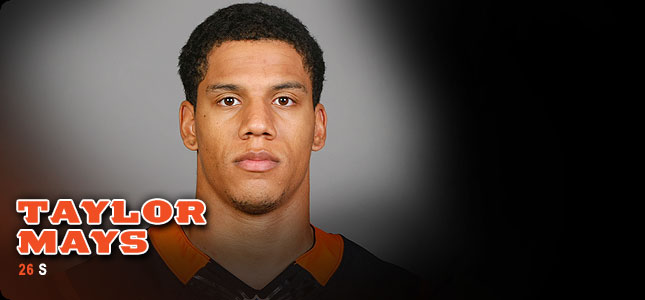
They could also try for a 2-for-1 deal at safety, signing Clemons, Jenkins or Mike Mitchell (Panthers), and bringing back Allen (left) or Coleman or taking a chance on a one-year contract for one-time hot prospect Taylor Mays (Bengals), who has the size (6-foot-3, 220-230 pounds) and speed (sub-4.5) and age (26) to warrant a low-risk look. The oft-injured former three-time All-American at USC made just $630,000 last year.

Addressing other needs

If that’s the route Roseman chooses, then what?

Money will be left, and more can be freed up. Beyond Chung ($3.25 million), linebacker Brandon Graham (just under $3.4 million) and third-string tight end James Casey (close to $4 million) can be shed for most their salaries.

One would think Graham and Casey could have some value if shopped in a trade, at least in theory, but the New Orleans Saints and Chicago Bears recently learned – from trying to shop running back Darren Sproles and Hester before releasing them – making trades is easier said than done.

Outside linebacker Trent Cole, who came on strong at the end of last season before disappearing against a rookie left tackle in the playoff loss to the Saints, is due a significant salary bump after the season. Translation: This is likely No. 58’s last year here.

Graham, who was coming on a defensive end at the end of the forgettable 2012 season, does not appear to be the answer now that the team deploys a 3-4 alignment.

The most appealing linebacker on the free agent list was Brian Orakpo, but the rival Washington Redskins more or less took him off the market by placing the franchise tag on him. Next on the list? Jason Worilds re-signed with the Pittsburg Steelers for close to $10 million for one year.

Beyond that, it’s anyone’s guess. The Eagles could have their eye on an unheralded type of guy like O’Brien Schofield (Seahawks) that they can cultivate, but they are reportedly quite high on Travis Long, who spent last season on the practice squad.

Roseman would be happy to have money left in the till to throw at Foles, and others, after next season and kept the team’s core intact.

Don’t overlook the draft

Additionally, there is the draft to consider. The Eagles, at No. 22, have no shot at Buffalo linebacker Khalil Mack and little shot at UCLA linebacker Anthony Barr. However, there are oodles of OLB/DE types scattered throughout all rounds of most reputable mock drafts.

If they find themselves without a shot at either safety or edge rusher at No. 22, they could always trade back, picking up extra picks, and come away with a player like BYU’s Kyle Van Noy or Auburn’s Dee Ford and be more than satisfied with the value.

As for cornerback, they Eagles are in a similar place with Cary Williams as they are with Cole, as Williams’ will see a salary increase after this season. A developmental fourth corner could be identified in free agency, but there are also plenty in the draft.

They could come away on Day 2 (second and third rounds) with a player like Ohio State’s talented-but-underachieving Bradley Roby and bring him along. There are also the likes of Nebraska’s Stanley Jean-Baptiste, who is attracting a lot of attention because he is a huge (6-3, 220) converted receiver like Seattle’s Richard Sherman, and Division II standout Pierre Desir (6-1, 200).

While it is not as sexy to throw out names of college players that are largely not known by NFL fans, Roseman is right in his assessment that the best teams are built through the draft.

He learned the hard way in 2011 – as part of the “all-in” spending spree that built a Dream Team that turned into an 8-8 nightmare – of the right path.

The last two drafts have been stellar, and that is still the way to go.

Yet, free agency is not as much a dead end street as it is a “T” intersection. It’s just a question of which way they will turn.

We are soon to find out.

The column originally appeared at http://www.phillyphanatics.com

Sad Day On North Broad Street

Temple

By GORDON GLANTZ

Gordonglantz50@gmail.com

@Managing2Edit

GORDONVILLE –Telemarketers, how much to I loathe thee?

Too many ways to count.

So much that I refuse the opportunity to go on a do-not-call list.

Instead, I’d rather answer and argue (or track them down when no one speaks after answering).

As much as I try to support my alma mater, Temple University, I have grown weary of the hunt for money I don’t have.

Doesn’t mean the door is slammed shut on the place where my parents and many friends and family went to school, let alone where I met my future wife, but we are more prone to deal with snail-mail pleas for dough than ill-timed callers.

When Temple pops up on Caller ID — a regular happening — I don’t answer.

That is going to change.

I don’t mean to give an earful to the poor coed on the other line who is trying to make a buck — especially since Temple isn’t exactly Rich Kid Central — but the buck (and bucks) stop here.

The news this week that the only sports being granted clemency from death row are men’s crew and women’s rowing (or maybe the other way around, but what’s the difference?).

Baseball, softball, gymnastics …

Gone with the wind.

Some may call my line in the sand righteous indignation.

I just call it righteous.

I admit to not following those sports on the chopping block, but I admire the athlete who toil under the radar for little glory.

On Facebook, my stance was quickly challenged.

There was the expected put-up-or-shut-up challenge, to which I responded that do plenty of that.

I stay loyal to the football team, wasting many a nice autumn day having my heart torn out, only to “put up” with the jokes from the Penn State people who engulf me.

When I encounter a young person considering Temple, I don’t shut up about the school’s many pluses.

Another Facebook friend decried the emphasis on sports in general, and hinted that a change in priorities could lead to a cure to cancer.

My counter was that a scholarship to an athlete who may not have otherwise gone to school could lead to a cure to cancer.

Riddles aside, there is a deeper issue, one that needs to be addressed.

I think my friend — like many who shrugged off this news — is thinking of football and men’s basketball.

There are schools, mostly based on geography, where other sports are big (ice hockey in New England, upper Midwest and Colorado and lacrosse from Maryland down to the Carolinas) but it is primarily those two where an abundance of full scholarships are handed out by schools like Moonies giving out fliers at airports (back when they could get past security).

At the top levels, the so-called big-time (where Temple wants to be in football, for example), we are probably seeing more athlete-students than student-athletes.

However, these are the sports that make the lion’s share of money for the school (so it can pursue a cure to cancer) and it’s not as much through donations/ticket sales, as it is from TV contracts.

The schools make the dough, the athletes get nothing. Some get diplomas, but we know how much that’s worth these days.

For the ones who don’t, all they gave up were half a decade’s worth of a jump start of being in a blue-collar union, and they have torn knees and concussion syndromes to show for their time in servitude.

The sports being cut, like at Temple, are not the same thing.

We are dealing with true student-athletes who put in a lot of extra blood and sweat on top of schoolwork. Many don’t even have full scholarships. They were recruited based on promises about a school, in terms of what majors it offered and the coach selling him or herself on the specific sport.

They could have picked more serene places, blocking out life’s realities a little longer, but instead chose Temple.

And Temple chose to kick them in the gut.

Just like I am going to do to the next caller looking for money.


Eagles Ready For a Safety Dance

Image

By GORDON GLANTZ

Gordonglantz50@gmail.com

@Managing2Edit

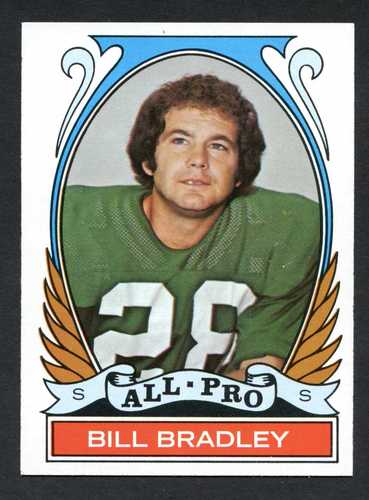
GORDONVILLE – What do Brian Dawkins, Bill Bradley, Wes Hopkins, Michael Lewis, Jerry Norton, Randy Logan and Quinten Mikell all have in common?

They are all safeties who have represented the Philadelphia Eagles in the Pro Bowl.

This tradition of decades of quality safety play extends beyond Pro Bowl bids, which are often political and often feature voters selecting the same players out of force of habit.

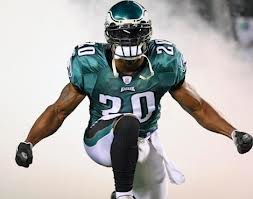
Case in point is the beloved Andre Waters. The late No. 20 never went to a Pro Bowl, but was voted to the Eagles’ 75th anniversary team, alongside Dawkins, at safety and was a first-team UPI All-Pro choice in 1991.

It is a tradition – on good and not-so-good Eagles teams – that has been carried on by others, too.

Don Burroughs, a 6-foot-5 safety who snagged a league-high nine interceptions in that long-ago last championship season of 1960 (and 29 in five total seasons with the Eagles), was a second-team all-league choice by the AP in 1960 and second-team by the UPI in 1961.

Terry Hoage’s eight interceptions – while platooning with Hopkins – earned him a second-team All-Pro nod in 1988.

Joe Scarpati played six seasons for the Eagles in the mid-to-late 1960s and had 24 interceptions, including eight for a league-high 182 yards in 1966.

Brenard Wilson, who started alongside Logan in Super Bowl 16 against the Oakland Raiders, had 15 of his 17 career interceptions in three seasons (including six in 1980, the NFC Championship year).

But 2009, when Mikell went to Hawaii as a Pro Bowl alternate, marked the start of an era of darkness.

Image

Since then, the Eagles have been like the 1980s pop band Men Without Hats – as in hats (coachspeak for helmets) on receivers coming over the middle or running backs galloping free downhill like runaway locomotives through the nightmarish Wide-9 defense.

In an attempt to fix the problem, the front office has been doing its own “Safety Dance” – the big smash from the aforementioned Montreal-based New Wave act – without much success.

And for all the excitement generated this past season, when the Eagles and rookie head coach Chip Kelly went 10-6 and captured the flag in the NFC East behind the mercurial play of quarterback Nick Foles and league rushing champ LeSean McCoy, the back end of the defense remained their Achilles’ heel.

The play of the cornerbacks – Cary Williams and Bradley Fletcher on the outside and Brandon Boykin in the slot – was adequate, but they can only do so much, in lieu of holding their man and drawing crucial penalties, before releasing receivers to the next level and/or waiting for help to arrive over the top.

The safety position, even to the most casual observer, is the top priority.

And like that line in “Safety Dance,” general manager Howie Roseman and Kelly, “can dance if they want to, they can leave their cares behind.”

How, exactly, can it be done with a rookie crop considered just average and a top-heavy free agent list that gets thin in hurry?

Difficult, but not impossible.

Step one is cleaning house of the group in place.

Patrick Chung, who seemed like he was more in the way of his own teammates than the opposition, is sure to be jettisoned, along with his $3.75 million salary, after one disjointed season.

Nate Allen, whose claim to fame last season was that he was “better” than the comatose way he had played before, is a pending free agent. Ditto for Kurt Coleman, who was the one-time starter mercifully relegated to special teams work last season.

Another free agent is special-teamer Colt Anderson, who is really a safety in name only.

That would leave only Earl Wolff, whose efforts as a fifth-round rookie made him a default cult hero before a knee injury put him on the shelf. Practice squad holdover Keelan Johnson could get a look as a deep reserve at the NFL’s minimum wage, but there is no emotional attachment or investment of a draft pick there.

If this scenario isn’t a clean slate – a chance to do a safety dance right into a new era – then what is?

The murmurings are that Allen, the player the Eagles drafted with the second-round pick obtained from the Washington Redskins in the Donovan McNabb trade, has enough people still pulling for him within the front office to be brought back on a palatable deal.

If that’s the case, that would need to be as far as it goes, in terms of giving out 15th chances to this group of do-nothings.

The Eagles are facing a considerably tougher schedule this season and their weakest area needs an upgrade. There should be at least one free agent signing and one draft pick joining Wolff and, probably, Allen.

There are some safeties in the draft worth considering, but not worth a reach of Jaiquawn Jarrett proportions.

Pre-combine, most reputable mock drafts had Alabama’s Ha Ha Clinton-Dix going before the Eagles pick at No. 22. His value is not likely to drop, as he has proven adept at not letting some of the best college stud receivers get past him, but he could be pushed down a few spots – from the mid-teens to the early 20s – if other players at different positions see their stocks rise.

If he falls into the Eagles’ lap, it would be a no-brainer. Worth a trade up, though? He is probably not that type of impact player.

Next on the list is Calvin Pryor of Louisville, who plays with a physical style that would remind the Eagle Nation of Hopkins.

Going into the second and third rounds, we see players like Deone Bucannon of Washington State, Dion Bailey of USC and Craig Loston of LSU. All are more in-the-box strong safeties. (Bucannon led the PAC-12 in tackles, Bailey has played a lot of linebacker and Loston’s downhill hits have gone viral on You Tube.) That style safety has a harder time finding a place to land in the run-and-gun NFL (see Jarrett).

Image

Among the others still looking to break from the pack at this weekend’s combine and/or individual pro day workouts are Jimmie Ward of Northen Illinois, Ty Zimmerman of Kansas State, Lemarcus Joyner of Florida State and Tre Boston of North Carolina.

The Eagles could also think outside the box and earmark a big, raw cornerback prospect for training a safety. An ideal candidate would be Pierre Desir (6-1, 200) from Division II Lindenwood.

But the reality is that only Clinton-Dix or Pryor could make immediate impacts, albeit with learning curves and expected rookie mistakes.

The top two safeties in free agency are Jarius Byrd of Buffalo and T.J. Ward of Cleveland. Both, like that list of standout safeties in the team’s history, are fresh off of Pro Bowl appearances.

And it just so happens that both played at Oregon, Chip Kelly’s former college fiefdom and regular pipeline to the Eagles’ roster and practice squad.

On talk radio, Joe D’Fan has suggested signing both, which would be quite a coup, but it wreaks too much of the 2011 “Dream Team” strategy that backfired worse than a speeding 18-wheeler with 20-year-old spark plugs.

Roseman is on record as saying he is not going there again.

NFL insiders say that Byrd is looking for a humongous pay day while the Browns could brand Ward with the franchise tag before letting him walk.

Translation, Mr. D’Fan: Don’t get your hopes up, even for one of them.

The next group includes Donte Whitner (49ers), Antoine Bethea (Colts), Chris Clemons (Miami), Louis Delmas (Detroit), Malcolm Jenkins (Saints), Stevie Brown (Giants) or Major Wright (Bears).

Whitner could possibly be available, but only if the Niners have to spend too much to retain other free agents.  Still, they want him back and he does not want to leave.

Of the rest, Delmas seems the most likely to change locations, with Denver the most likely landing spot.

And once you get past this group, well, you are looking at guys with either too much tread on the tires or voluminous medical histories.

Anyone else?

We have Bernard Pollard, last of the Titans, who is 29 years old and has a ring with the Baltimore Ravens. He would bring leadership and a needed sense of honor to the back end, similar to former teammate Williams at the corner, but he does not have the pedigree to end the Pro Bowl drought.

An off-the-radar guy to watch could be Taylor Mays. The former three-time All-American at USC is a known entity to Kelly. A second-round pick by the 49ers in 2010, he was promptly traded to the Bengals and never really panned out at either place, largely because of injuries.

The 26-year-old was playing decently last season before a shoulder injury put him out of commission, so he would be a candidate for one of those incentive-laden one-year deals. Mays also fits Kelly’s theme of “big guys beat up on small guys,” as he is 6-3 and 220 pounds and ran a sub-4.5 40 coming out of college.

Image

At the least, if healthy, he is night-and-day depth upgrade over Coleman and Chung.

And then, there is always Mikell.

He will be 34 soon and is battling a Lisfranc injury, but his resume has one thing none of the others do.

Against a desperate backdrop of needing to head in the future by shedding the present and remembering the past, he did something none of the present have done.

He is the last Eagle safety to play in a Pro Bowl.

This column originally appeared at http://www.phillyphanatic.com